We independently review everything we recommend. When you buy through our links, we may earn a commission. As an Amazon Associate we earn from qualifying purchases.
How to Repair a Fiberglass Canoe: The Repair Kits That Do the Job
Three verified fiberglass repair kits for canoe hulls, compared by kit size, resin type and repair scope, with the repair steps they support.
Repairing a fiberglass canoe comes down to one thing more than any other: the material you put on the hull. The sanding, cleaning and shaping technique matters, but a repair only lasts if the resin or putty bonds properly to the existing laminate and cures into a patch that flexes with the hull rather than cracking away from it. The products actually used for this job are fiberglass repair kits — resin, hardener and cloth in one box, or a two-part epoxy putty for smaller damage — and this guide covers the three verified kits that suit canoe work, each checked against a real Amazon US listing with a verified ASIN.
Because the question behind this guide is how to repair a fiberglass canoe, the kits below are organised around the repair itself: which kit matches which kind of damage, what each box actually contains, and where each one runs out of material or capability. A short outline of the repair process follows the Quick Picks, so the product sections can be read against the steps they are used in. This guide covers only these three verified kits rather than padding the list with products whose listings could not be verified.
Quick Picks
Bondo Fiberglass Resin Repair Kit 00420 (0.45 pint) — Best for most canoe repairs: a complete resin, hardener and cloth kit in the smaller size, suited to cracks, chips and small holes.
Bondo Fiberglass Resin Repair Kit 00422 (0.9 quart) — Best for larger damage: the same kit line in a bigger volume, for long cracks, wide patches and repairs needing several layers of cloth.
Marine Tex Mighty Repair Kit, 2 oz, Gray (RM301K) — Best for small waterproof fixes: a two-part epoxy putty for gouges, dings and small punctures where a full resin layup is more than the damage needs.
The Repair in Brief
Most fiberglass canoe repairs follow the same sequence, and each step explains why the kit contents matter. First, the damaged area is cleaned and dried, and any cracked or delaminated fiberglass is cut or ground back to solid laminate. Second, the area is sanded to give the new material a surface it can grip, and wiped down so no dust or grease sits between the old hull and the new patch. Third, the repair material goes on: for a resin kit, cloth is cut to size, wetted out with mixed resin and laid over the damage, building up layers until the patch matches the surrounding hull thickness; for an epoxy putty, the two parts are kneaded together and pressed into the gouge or hole. Fourth, once the repair has cured, it is sanded flush and shaped to the hull line. A resin-and-cloth kit is the right tool for structural damage — cracks that flex, holes, worn-through patches — because the cloth restores strength, not just surface. A putty repair is a fill: it seals and rebuilds small areas but does not replace missing laminate. Choosing between the kits below is mostly a matter of matching the kit to which of those two jobs the canoe actually needs.
The Bondo Fiberglass Resin Repair Kit 00420 is the standard starting point for fiberglass canoe repair, and the top pick here because it contains the three things a resin repair cannot be done without: fiberglass resin, hardener and fiberglass cloth, in one box. As stated on the listing, it is an all-in-one kit marketed for automotive, marine and home use, and marine use is exactly the application a canoe hull falls under. The 0.45 pint size is the smaller of the two Bondo kits in this guide, and for the typical canoe repair — a crack along the hull, a chipped bow or stern, a small hole from a rock strike — it is the size that matches the job.
Working with a kit rather than separate components matters for a first repair. The resin and hardener are supplied to be used together, and the included cloth means the patch can be laid up as soon as the area is prepared, without a second purchase. The repair sequence is the one outlined above: prepare the area back to solid laminate, cut the cloth to overlap the damage, mix resin with hardener, wet the cloth out and apply it in layers, then sand the cured patch flush. Because the kit is sized for smaller repairs, a paddler fixing one or two damaged spots is less likely to be left with a large volume of resin going to waste in storage.
The honest limit of the 00420 is volume. A long crack running down the hull, a patch that needs several layers of cloth over a wide area, or more than one repair site on the same canoe can use up a 0.45 pint kit before the job is finished, and running short mid-repair is a real problem because a half-wetted patch cannot simply be paused. If the damage is extensive, the larger kit below is the safer buy; if the damage is a single modest area, this is the kit to reach for.
Specs
– Model: Bondo Fiberglass Resin Repair Kit 00420
– Size: 0.45 pint, as stated on the listing
– Contents: fiberglass resin, hardener and fiberglass cloth, as stated on the listing
– Stated uses: automotive, marine and home, as stated on the listing
Pros
– Complete kit: resin, hardener and cloth in one box
– Sized for the cracks, chips and small holes that make up most canoe repairs
– Marketed for marine use, which covers fiberglass hulls
Cons
– The 0.45 pint volume can run short on long cracks or multi-layer patches
– Resin-and-cloth work needs the full preparation and curing sequence; it is not an instant fix
The Bondo Fiberglass Resin Repair Kit 00422 is the larger-size version of the same kit line as the 00420, and it is the runner-up here for one straightforward reason: it holds more of the same repair material. As stated on the listing, the 00422 is a 0.9 quart kit, against the 0.45 pint of the smaller box. That difference in volume is the whole decision between the two. The repair method is identical — resin, hardener and cloth, mixed and laid up in layers over prepared laminate — so nothing new has to be learned to use the bigger kit; it simply keeps going where the smaller one runs out.
Choose the 00422 when the damage is bigger than a single modest patch. A crack that runs a long way along the hull, a worn area at the bow or stern that needs a wide multi-layer patch, impact damage with several separate spots to repair, or a patch on a thicker part of the hull that needs more layers to rebuild the original thickness all argue for the larger volume. It is also the more sensible choice when the canoe is not the only fiberglass item waiting for attention, since the same kit format serves other marine and household fiberglass repairs.
The trade-off is the mirror image of the smaller kit’s advantage. Buying the 0.9 quart size for one small crack means storing the remainder, and resin and hardener are workshop materials that should be stored carefully and used while they are in good condition. For a single small repair with nothing else on the list, the 00420 is the proportionate choice; for anything larger, or for a repair where running out halfway through would compromise the patch, the 00422 is the one that removes the risk.
Specs
– Model: Bondo Fiberglass Resin Repair Kit 00422
– Size: 0.9 quart, as stated on the listing
– Contents: fiberglass resin, hardener and fiberglass cloth, as stated on the listing
– Format: larger-size version of the same Bondo kit line as the 00420
Pros
– Same complete resin, hardener and cloth format as the 00420, in a larger volume
– Covers long cracks, wide patches and several repair sites in one purchase
– No change of method needed if moving up from the smaller kit
Cons
– More material than a single small repair needs, so the remainder has to be stored
– Same preparation and curing demands as any resin-and-cloth repair
The Marine Tex Mighty Repair Kit takes a different approach from the two Bondo kits, and it earns its place in this guide for the repairs where a resin-and-cloth layup is more than the damage calls for. As stated on the listing, Marine Tex is a two-part epoxy putty for waterproof marine repairs on fiberglass and other surfaces, supplied here as a 2 oz kit in gray, model RM301K. Instead of cloth and liquid resin, the two parts are combined and the putty is pressed into the damage, where it fills, seals and cures into a hard repair.
That makes it the right format for gouges, deep scratches, dings and small punctures — the kind of damage where the laminate is marked or locally breached but the surrounding hull is sound and does not need its strength rebuilt with cloth. A putty repair is also quicker to place than a layup: there is no cloth to cut and no layers to build, and the waterproof character stated on the listing is the property that matters for a material that will sit at or below the waterline. For a canoe that has taken a knock on a rocky shore and needs a small, sealed, sandable repair, this is the simplest of the three products here to use.
Its limits follow from its size and type. At 2 oz, this is a small-quantity kit for small repairs, and a putty fill is not a substitute for cloth reinforcement on a structural crack: a crack that opens when the hull flexes needs the laminate rebuilt, which is the Bondo kits’ job. Treat the Marine Tex as the precision tool in the set — the one for localised damage — rather than as a smaller alternative to a full repair kit, and it is genuinely useful both on its own and alongside a resin kit in a well-stocked repair shelf.
Specs
– Model: RM301K
– Size: 2 oz, as stated on the listing
– Type: two-part epoxy putty, as stated on the listing
– Stated use: waterproof marine repairs on fiberglass and other surfaces, as stated on the listing
– Colour: gray, as stated on the listing
Pros
– Two-part epoxy putty: no cloth cutting or layer building for small repairs
– Stated for waterproof marine repairs on fiberglass
– Well suited to gouges, dings and small punctures in otherwise sound laminate
Cons
– 2 oz is a small quantity, for localised repairs only
– A putty fill does not restore laminate strength, so it is not the fix for structural cracks
How to Choose
Start by classifying the damage honestly, because the three kits divide cleanly by repair type. If the hull is cracked, holed or worn through — damage that affects the laminate itself — the repair needs cloth and resin, which means one of the Bondo kits. If the damage is a gouge, ding or small puncture in laminate that is otherwise sound, the Marine Tex epoxy putty is the proportionate tool.
Next, size the resin kit to the repair. A single crack, chip or small hole points to the 00420 at 0.45 pint. A long crack, a wide or multi-layer patch, several repair sites, or other fiberglass jobs waiting in the same workshop point to the 00422 at 0.9 quart. Running out of resin in the middle of a layup is worse than having some left over, so when the estimate is close, the larger kit is the safer side to err on.
Then consider what is already on hand. A paddler who already owns fiberglass cloth and mixing supplies may still find a kit simpler than separate resin and hardener purchases, because the components are supplied to work together. A paddler building a small repair shelf for a much-used canoe could reasonably hold both formats: a resin kit for structural work and the Marine Tex for the small sealed fixes that come up far more often.
Before any of that, inspect the whole hull rather than only the spot that caught the eye. Damage on a fiberglass canoe rarely travels alone: a rock strike that chips the bow often leaves a crack running further than the visible mark, and a hull that has flexed hard enough to crack in one place may show stress lines elsewhere. Turn the canoe over in good light, run a hand along the laminate, and press gently around each suspect area — sound fiberglass feels firm, while delaminated or cracked material gives slightly and sometimes makes a faint ticking sound. Mark every area that needs work before opening a kit, because that full count of repair sites is what decides between the two Bondo sizes, and finding a second crack after the resin is mixed is how repairs get rushed. It is also worth deciding at this stage whether a damaged area is cosmetic or structural: surface crazing and shallow scratches in the outer finish can be filled and sealed, while anything that moves, leaks or has broken through the cloth belongs to the resin kits.
Finally, plan the repair around preparation and curing, not just the product. Every kit here depends on the same groundwork: damaged laminate cut back to solid material, the area sanded and cleaned, and the finished repair left to cure fully before it is sanded flush and the canoe goes back on the water. No kit compensates for a patch laid over cracked, dirty or damp fiberglass, so confirm the exact contents and directions on the product page before starting, and allow the full curing time the product states.
FAQs
Can a cracked fiberglass canoe be repaired with an epoxy putty alone?
For a small gouge or puncture in sound laminate, yes — that is the kind of repair the Marine Tex kit is made for. For a crack that runs through the laminate or flexes when the hull is pressed, no: the strength of the hull lives in the fiberglass cloth, so the crack needs a resin-and-cloth patch from a kit like the Bondo 00420 or 00422 to rebuild it.
Which Bondo kit size is right for a canoe repair?
The 00420 (0.45 pint) suits a single crack, chip or small hole. The 00422 (0.9 quart) is the same kit line in a larger volume, for long cracks, wide patches, several layers of cloth or more than one repair site. If the amount of damage sits between the two, choose the larger kit rather than risk running short partway through a patch.
Does the repair have to be waterproof?
Yes. A canoe hull repair sits in the water, and a patch that absorbs water or lets it reach the laminate will fail early. That is why the products here are marine repair materials: the Bondo kits are marketed for marine use, and the Marine Tex putty is stated for waterproof marine repairs on fiberglass. Let any repair cure fully before launching, and check the product page for the curing directions for the specific kit.
Conclusion
How a fiberglass canoe gets repaired depends on the damage, and the three kits here divide the work between them. For most cracks, chips and small holes, the Bondo Fiberglass Resin Repair Kit 00420 is the top pick: a complete resin, hardener and cloth kit in the size a typical repair needs. The Bondo 00422 is the runner-up and the better choice for larger damage, as the same kit in a 0.9 quart volume. For gouges, dings and small punctures in sound laminate, the Marine Tex Mighty Repair Kit is the simpler waterproof fix. Before buying, look at the damage closely, match the kit to whether the laminate needs rebuilding or just filling, and confirm the kit contents on the product page.
A
admin
We compare specs, materials and verified owner reviews before a product earns a spot. Rankings are never paid.
Affiliate disclosure. As an Amazon Associate we earn from qualifying purchases at no extra cost to you. Prices accurate as of the date shown.
Five cool nightstands with built-in charging, LED lighting, a cooling drawer and locking hidden storage, compared on documented features, size and fit.
Five insulated lunch bags compared on insulation style, capacity, pockets and carry options, from a freezable budget pick to a premium hard-wearing box.
The best aprons for home kitchens compared on published specs: denim and waxed canvas bibs, a linen cross-back, pocket layouts, sizes and strap designs.
Compare the best umbrellas for rain, from compact travel models to a full-size golf canopy, with windproof frames, vented canopies and an inverted fold.

 Bondo Fiberglass Resin Repair Kit 00420 (0.45 pint)
 Bondo Fiberglass Resin Repair Kit 00422 (0.9 quart)
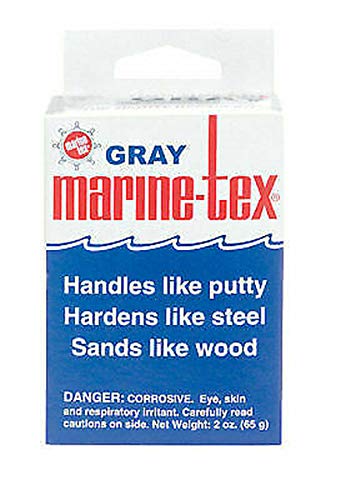 Marine Tex Mighty Repair Kit, 2 oz, Gray (RM301K)