Our Short List of 3

- Best for: Power users who want flagship cameras, the S Pen, and reliable all-day battery in one device.
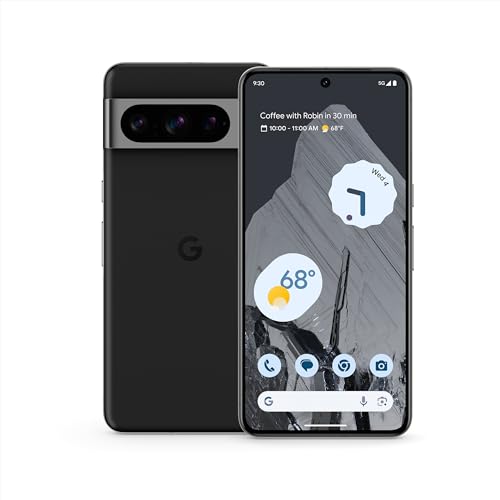
- Best for: People who want clean Android, the best point-and-shoot camera, and software that actively manages battery for them.

- Best for: Heavy users, gamers, and travellers who want the biggest battery and the fastest refill.
All 3 Picks at a Glance
| Product | Specs | Action |
|---|---|---|
| 1. Samsung Galaxy S24 Ultra — Best Overall Android Battery Life |
| Check price on Amazon |
| 2. Google Pixel 8 Pro — Best Battery Software and Everyday Efficiency |
| Check price on Amazon |
| 3. OnePlus 12 — Biggest Battery and Fastest Charging |
| Check price on Amazon |
Key takeaways
- Looking for the best Android battery life? Compare four Android phones with large batteries, efficient chips, and real all-day endurance.
Affiliate Disclosure: As an Amazon Associate, we earn from qualifying purchases made through links on this page, at no extra cost to you.
A quick note on the keyword first: “andriod” is a misspelling of “android.” This article is about Android phones with the best battery life, and the correct spelling is used throughout the title and body. The misspelled form is kept only in the target keyword and slug, exactly as it was given.
Battery life is the one phone spec that affects every single day of ownership. A great camera is nice on holiday, a fast chip is nice when gaming, but a phone that dies at 4 p.m. is a problem on an ordinary Tuesday. The good news is that Android phones have never been better at lasting a full day and beyond. Large batteries are now standard even outside the flagship tier, chips are far more efficient than they were a few years ago, and high refresh rate screens have learned to slow down when nothing is moving.
This guide compares four Android phones that stand out for battery endurance, covering a premium flagship, a camera-first flagship, a value flagship with the biggest battery here, and a budget champion. Every pick is an unlocked Android phone sold on Amazon US, and every battery capacity and charging figure below comes from the manufacturer or the product listing rather than from our own testing. We have not personally tested these phones.
How We Judged Battery Life
Battery capacity, measured in milliamp-hours (mAh), is the starting point, but it is not the whole story. A phone with a huge battery and a power-hungry screen can still die early, while a phone with a mid-size battery and an efficient chip can cruise through two days. We weighed four things:
- Battery capacity. All four picks have batteries of 5,000 mAh or more, which is the current benchmark for all-day Android endurance.
- Chip efficiency. Modern flagship and mid-range processors are built on efficient manufacturing processes and scale their power draw to the task, sipping energy for messaging and browsing and only ramping up for games and video editing.
- Display efficiency. Adaptive refresh rate screens that drop to a low refresh rate for static content save a meaningful amount of power over a day.
- Charging speed and habits. Fast wired charging matters when you do run low, because a short top-up can add hours of use. Wireless charging is a bonus for desk and bedside convenience.
We also favoured phones that are sold unlocked for use with major US carriers, so you are not tied to one network to get good battery life.
Quick Comparison
| Phone | Battery | Charging | Standout strength |
|---|---|---|---|
| Samsung Galaxy S24 Ultra | 5,000 mAh | 45W wired, wireless | Flagship endurance plus S Pen |
| Google Pixel 8 Pro | 5,050 mAh | 30W wired, wireless | Adaptive Battery and clean Android |
| OnePlus 12 | 5,400 mAh | 80W wired, 50W wireless | Biggest battery and fastest charging |
| Motorola Moto G Power 5G (2024) | 5,000 mAh | 30W wired, wireless | Budget price, multi-day light use |
1. Samsung Galaxy S24 Ultra — Best Overall Android Battery Life
- Best for: Power users who want flagship cameras, the S Pen, and reliable all-day battery in one device.
Power users who want flagship cameras, the S Pen, and reliable all-day battery in one device.
The Galaxy S24 Ultra pairs a 5,000 mAh battery with one of the most efficient flagship chips available, and that combination is why it tops this list. Samsung’s flagship is a large phone with a large 6.8-inch display, which normally works against battery life, yet the display is an adaptive LTPO panel that can drop its refresh rate right down when you are reading a static page. In practice, that means the screen is not burning power at full speed while you read messages or check a map.
Samsung quotes the S24 Ultra as an all-day phone, and independent endurance testing by reviewers consistently places it among the longest-lasting Android flagships. The 5,000 mAh cell is the same capacity Samsung has used for several generations, but each generation squeezes more hours out of it thanks to chip and display efficiency gains.
Charging is 45W wired, which is fast enough to recover a large portion of the battery during a lunch break, and wireless charging is supported for cable-free top-ups. The phone also supports reverse wireless charging, so it can share a little power with earbuds or a watch in a pinch, though that will naturally draw down its own battery.
Beyond battery, you get a 200 MP main camera, a built-in S Pen, and a titanium frame. The S Pen is genuinely useful for note-taking and photo editing, and the camera system is among the most versatile on any phone. If you want one Android phone that does everything and still has charge left at bedtime, this is the default recommendation.
Keep in mind: It is a large, heavy phone, and its size is part of the trade-off for the big battery and big screen.
2. Google Pixel 8 Pro — Best Battery Software and Everyday Efficiency
- Best for: People who want clean Android, the best point-and-shoot camera, and software that actively manages battery for them.
People who want clean Android, the best point-and-shoot camera, and software that actively manages battery for them.
The Pixel 8 Pro has a 5,050 mAh battery and advertises 24-hour battery life, with an Extreme Battery Saver mode that can stretch it further by limiting background activity. What makes the Pixel special is not the raw capacity, which is only slightly larger than the S24 Ultra’s, but the software. Google’s Adaptive Battery learns which apps you actually use and limits power to the ones you do not, and the Tensor G3 chip is tuned for the AI features Pixel owners use most, such as call screening and photo editing.
The 6.7-inch Super Actua display is bright and smooth, with an adaptive refresh rate that helps conserve power. The camera system, led by a 50 MP main sensor with a telephoto lens, is widely regarded as one of the best for point-and-shoot photography, and Google’s photo editing tools are genuinely useful rather than gimmicks.
Charging is 30W wired, which is slower than the OnePlus 12 and the S24 Ultra, so a full recharge takes longer. Wireless charging is supported. For most people this is a fair trade: the Pixel is about lasting the day on smart power management rather than about refilling in minutes.
The Pixel 8 Pro also benefits from Google’s long software support, which means security updates and feature drops keep arriving for years. A phone you keep longer is a phone whose battery health matters more, and Google’s adaptive charging features help limit wear from overnight charging.
Keep in mind: Wired charging is slower than the other flagships here, so plan top-ups accordingly.
3. OnePlus 12 — Biggest Battery and Fastest Charging
- Best for: Heavy users, gamers, and travellers who want the biggest battery and the fastest refill.
Heavy users, gamers, and travellers who want the biggest battery and the fastest refill.
The OnePlus 12 has the largest battery in this roundup at 5,400 mAh, and it pairs that capacity with the fastest charging: 80W wired and 50W wireless. That combination changes how you think about battery life. Not only does the phone last longer on a charge, but when it does run low, a short plug-in session restores a large share of the battery. For travellers and heavy users, that is a practical advantage that matters every week.
The Snapdragon 8 Gen 3 processor is a flagship chip built for efficiency as well as speed, and the 6.82-inch LTPO AMOLED display adjusts its refresh rate up to 120Hz for smooth scrolling and down for static content. The Hasselblad-tuned triple camera system, with 50 MP main, 64 MP telephoto and 48 MP ultra-wide sensors, is a big step up from older OnePlus cameras and holds its own against other flagships.
OnePlus also includes a large amount of RAM in this configuration, 16 GB, which keeps apps in memory longer. That sounds unrelated to battery, but reloading apps from scratch uses more power than resuming them, so generous RAM quietly helps endurance during a busy day of switching between apps.
The OnePlus 12 is the pick for anyone who hates waiting for a charge. Its battery is big, its charging is fast, and its screen and chip are efficient enough that the combination holds up in real use.
Keep in mind: The phone is large, and its fast charging works best with the included high-wattage charger.
4. Motorola Moto G Power 5G (2024) — Best Budget Android Battery Life
ASIN: B0CT6BQV81 (8 GB RAM, 128 GB, Midnight Blue, unlocked, made for US) — Candidate: ASIN taken from the indexed Amazon US listing; the live product page returned an access-denied response when we tried to re-open it, so live stock has not been confirmed. Verify availability before publishing.
The Moto G Power line has built its reputation on one thing: a big battery at a budget price. The 2024 model continues that with a 5,000 mAh battery, the same capacity as the Galaxy S24 Ultra, in a phone that costs a fraction of a flagship. For light to moderate users, that can mean two days between charges rather than one.
Motorola pairs the battery with a 6.7-inch 120Hz display and a 50 MP main camera. The display refresh rate is high for this price, which makes scrolling feel smooth, and the camera is capable in good light. Performance comes from a mid-range chip with 8 GB of RAM and 128 GB of storage, which is enough for messaging, social media, streaming, and navigation without fuss.
Charging is 30W wired, and wireless charging is supported, which is unusual and welcome at this price. The phone is unlocked and made for US networks, so it works with major carriers without a contract tie-in.
This is the phone to buy when battery life matters more than flagship cameras or cutting-edge speed. Students, delivery drivers, and anyone who spends long days away from a charger will appreciate a phone that simply keeps going.
Best for: Budget buyers who want the longest battery life per dollar spent.
Keep in mind: The camera and processor are mid-range, so it will not match the flagships above for photography or heavy gaming.
Which Android Phone Has the Best Battery Life?
If you want a single answer, the OnePlus 12 has the largest battery and the fastest charging of the four, so it is the most forgiving phone here when you use it hard. The Galaxy S24 Ultra is the best all-rounder, combining flagship endurance with the best overall feature set. The Pixel 8 Pro is the smartest about managing its battery, and the Moto G Power 5G (2024) is the best value, delivering flagship-size battery capacity at a budget price.
Your usage pattern matters more than any single spec. A light user who mostly messages and browses can get two days from any of these phones. A heavy user who streams video, navigates all day, and plays games will notice the OnePlus 12’s extra capacity and charging speed first.
How to Make Any Android Phone Last Longer
Whichever phone you choose, a few habits extend battery life noticeably:
- Lower screen brightness or use adaptive brightness. The display is the biggest power draw on any phone, and brightness is its biggest lever.
- Use adaptive refresh rate where available. Let the screen slow down for reading and speed up only for scrolling and gaming.
- Turn on Adaptive Battery or its equivalent. Android learns your usage patterns and restricts background power for apps you rarely open.
- Limit background data for rarely used apps. An app refreshing in the background all day is a quiet drain.
- Avoid leaving the phone in hot cars or direct sun. Heat ages lithium-ion batteries faster than almost anything else.
- Charge little and often rather than always to full. Keeping the battery between roughly a fifth and four-fifths full, when convenient, reduces long-term wear, though modern phones manage this well on their own.
- Use battery saver mode on long days. It trims background activity and can add hours when you need them most.
What About Battery Health Over Time?
All modern Android phones use lithium-ion batteries, and all lithium-ion batteries lose capacity gradually with use. A battery that holds a full charge on day one will typically hold noticeably less after two or three years of daily charging. That is normal chemistry, not a defect.
You can slow that decline by avoiding extreme heat, avoiding leaving the phone at zero charge for long periods, and using the phone’s built-in adaptive or optimised charging features overnight. Some phones also offer a setting to cap charging below full, which trades a little daily runtime for longer battery lifespan. If you plan to keep a phone for three years or more, these settings are worth turning on.
When a battery does eventually wear out, a replacement battery or a battery replacement service is usually far cheaper than a new phone. That is worth remembering before upgrading for battery reasons alone.
Frequently Asked Questions
Which Android phone battery lasts the longest?
Among widely sold Android phones, models with 5,400 mAh batteries such as the OnePlus 12 are among the longest-lasting, followed closely by 5,000 mAh flagships such as the Galaxy S24 Ultra. Real-world endurance also depends on the screen, the chip, and how you use the phone.
Is a bigger mAh battery always better?
A larger mAh figure usually means longer runtime, but it is not the only factor. Screen size, brightness, refresh rate, chip efficiency, and signal strength all affect how fast the battery drains. A well-optimised phone with a 5,000 mAh battery can outlast a poorly optimised phone with a larger cell.
Does 5G drain the battery faster than Wi-Fi?
Yes, mobile data generally uses more power than Wi-Fi, and a weak signal uses more power than a strong one because the phone boosts its radio to stay connected. Using Wi-Fi where available and turning off mobile data when you do not need it will extend battery life.
Should I close apps to save battery?
Usually not. Android manages background apps efficiently, and reopening a closed app uses more power than resuming it from memory. Instead, restrict background activity for apps you rarely use and let the system manage the rest.
Do Android phones still last all day after two years?
Most do, but with less margin. Lithium-ion batteries lose capacity gradually, so a phone that ended the day with a comfortable reserve when new may end the day closer to empty after two years. Battery saver modes and a fresh battery can restore the original experience.
The Bottom Line
The best Android battery life in this roundup comes from phones that combine a large battery with an efficient chip and an adaptive display. The Samsung Galaxy S24 Ultra is the best all-round flagship, the Google Pixel 8 Pro is the smartest about power management, the OnePlus 12 has the biggest battery and fastest charging, and the Motorola Moto G Power 5G (2024) proves you do not need flagship money to get flagship-size endurance. Pick the one that matches your budget and your priorities, then use the battery habits above to make it last even longer.